

Santa Maria, located on California’s Central Coast, enjoys a cool Mediterranean climate characterized by mild, wet winters and warm, dry summers. This climate is typical of coastal areas north of Point Conception. The city experiences an average annual rainfall of approximately 13.32 inches, though this can vary significantly from year to year. For instance, rainfall has ranged from as low as 4.25 inches in the 1971-1972 season to as high as 32.56 inches between 1997 and 1998. Snowfall is extremely rare, with the last recorded instance in January 1949. The highest recorded temperature was 110°F on June 20, 2008, and the lowest was 20°F, observed twice: on January 2, 1976, and December 7, 1978.
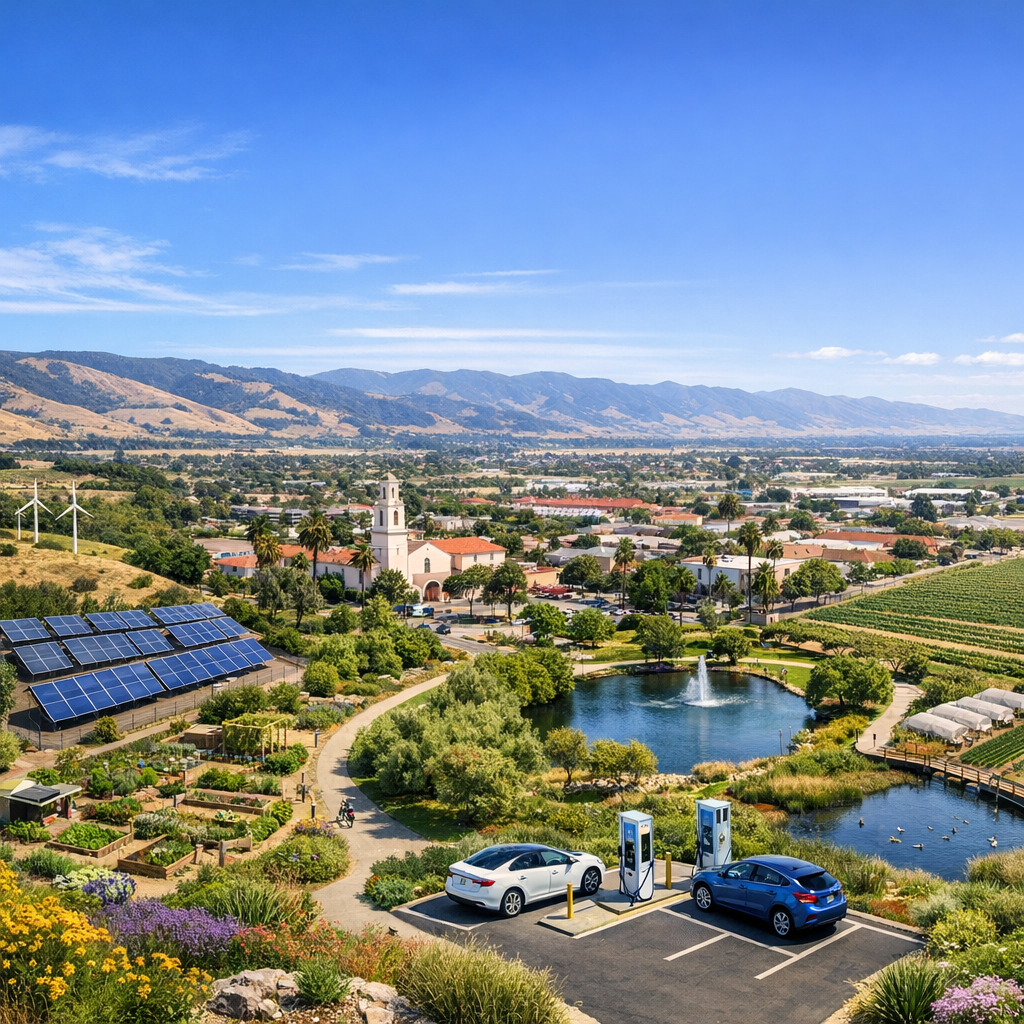
In terms of environmental initiatives, Santa Maria is actively working to enhance sustainability and improve residents’ quality of life. The city is updating its General Plan, a comprehensive policy document that provides long-term guidance on land use, development, and other critical issues such as economic growth, open space, conservation, affordable housing, and employment. This update aims to establish visionary policies supporting economic development and sustainability.
Additionally, the city manages stormwater to prevent pollution from reaching the Santa Maria River and the Pacific Ocean. Stormwater runoff can carry contaminants like automotive fluids, detergents, pesticides, and trash. To address this, Santa Maria has implemented regulations focusing on the quality of stormwater discharged from the city’s conveyance system.
Through these efforts, Santa Maria demonstrates a commitment to preserving its natural environment while promoting sustainable growth and development.