

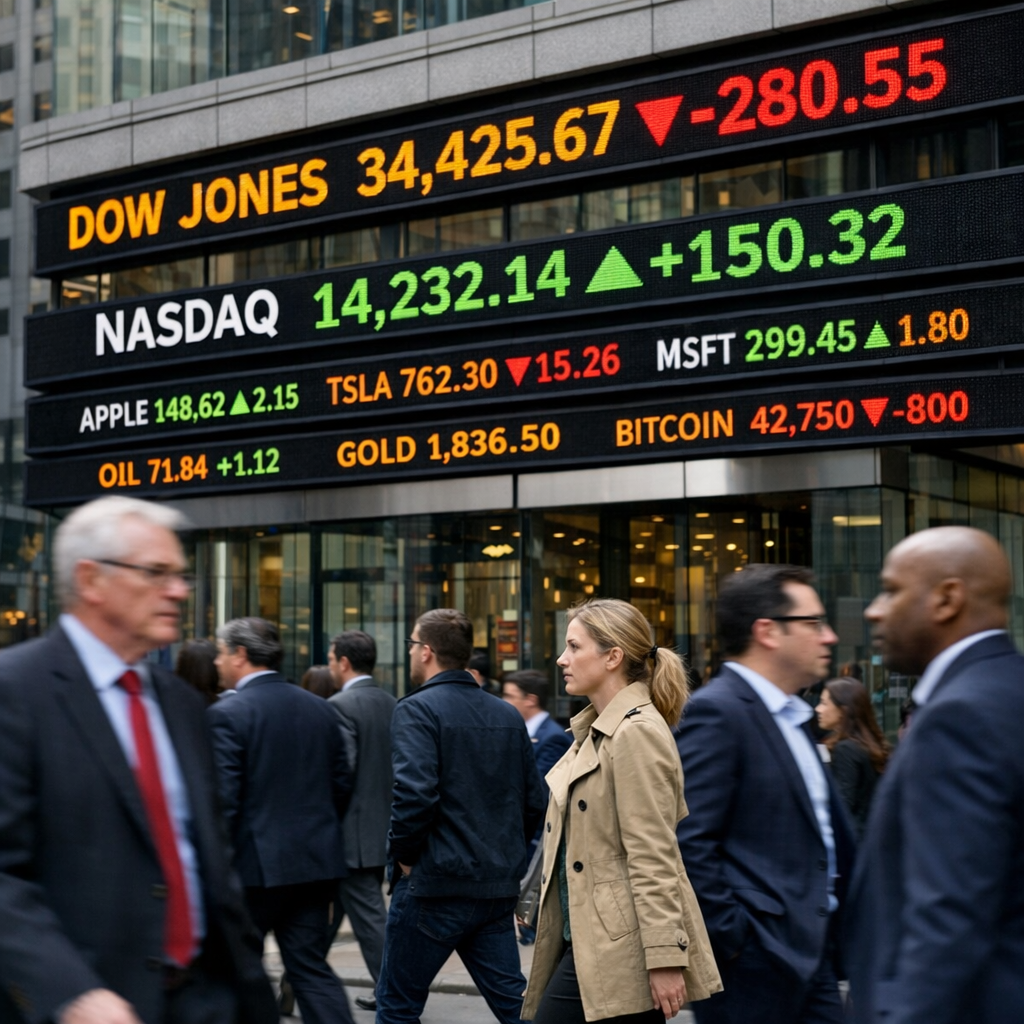
The United States economy is currently experiencing a period of moderate growth, with recent data indicating a steady expansion following a dip in early 2025. However, this growth has been somewhat tempered by various factors, including trade policies and global economic uncertainties.
Labor Market Dynamics
The labor market continues to add jobs, reflecting resilience in employment. Despite this positive trend, there is a growing concern over long-term unemployment rates, which have shown a slight increase. This suggests that while new positions are being created, some workers are facing challenges in securing long-term employment.
Inflation and Consumer Prices
Inflation remains a focal point for both policymakers and consumers. Although it has decreased from its peak levels, inflation rates are still considered stubbornly high. This persistent inflation affects purchasing power and has led to increased scrutiny of monetary policies aimed at stabilizing prices.
Federal Reserve’s Stance
The Federal Reserve continues to monitor these economic indicators closely. Decisions regarding interest rates are being made with the aim of balancing economic growth while keeping inflation in check. The central bank’s approach reflects a cautious optimism, acknowledging the economy’s strengths while remaining vigilant about potential risks.
Looking Ahead
As the U.S. navigates this complex economic landscape, it is essential for both policymakers and the public to stay informed about ongoing developments. Understanding the interplay between job growth, inflation, and monetary policy will be crucial in making informed decisions in the months ahead.