

By Mason Gutierrez
A Coastal Mediterranean Climate With Local Flavor
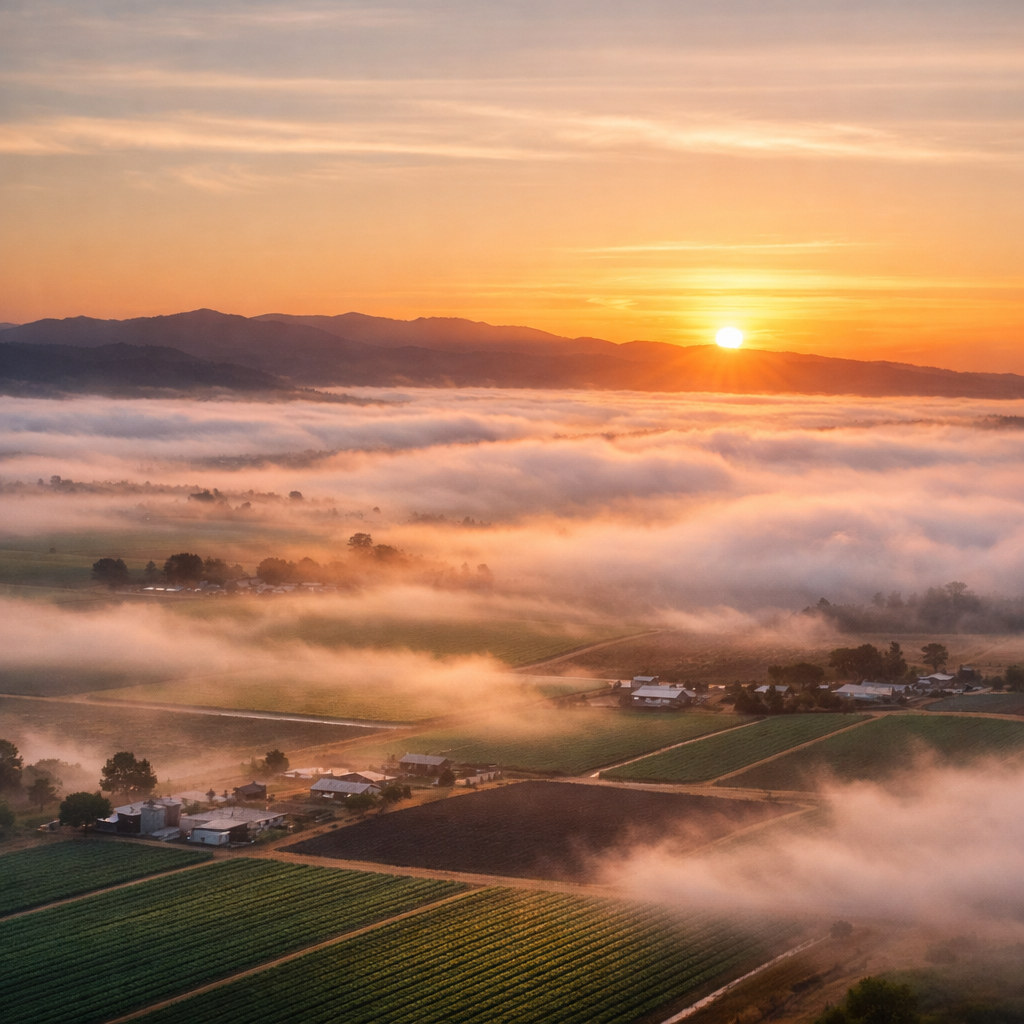
Santa Maria sits in a cool Mediterranean climate (Köppen Csb), meaning mild, wet winters and warm, dry summers. Our coastal influences bring frequent morning fog and marine layer clouds, especially in late spring and early summer, which tend to burn off by afternoon. Along the coast, summer highs generally stay comfortable in the mid-70s°F; further inland temperatures rise a bit more. Winters bring steady rain and cooler temperatures, with lows dipping into the low 40s°F during December and January. On average, the area receives about 13–17 inches of rainfall per year, most of it between November and March; the dry season may go months with little or no precipitation.
Watershed & Groundwater: Vital but Under Strain
Our community draws water from multiple sources: groundwater basins beneath the Santa Maria River Valley, imported State Water, and surface waters from the Santa Maria and Cuyama Rivers Watershed. The watershed stretches from sea level to highlands above 8,000 feet and includes many tributaries. Meanwhile, the Santa Maria groundwater basin, especially in the coastal portion, is largely unconfined, and serves as a major supply for agriculture, households, and businesses.
Threats to water quality and availability are growing. Agricultural runoff, stormwater, and urban pollutants have led to impairments in parts of the watershed—including metals, nutrients, pathogens, and pesticide contaminants. Dam operations and low rainfall periods reduce flow in key rivers, impacting fish like endangered steelhead that rely on free passage between upstream spawning grounds and the ocean.
Challenges: Drought, Extreme Heat & Air Quality
Drought is a recurring condition in the Central Coast, including Santa Maria. We’ve seen extended dry stretches that strain state water allocations and force community-wide conservation measures. When imported water supplies drop, groundwater becomes even more critical.
Heat extremes, though moderated by marine influences, still pose risks—especially to outdoor workers and vulnerable residents—when inland highs spike or during heat waves. Additionally, air quality can suffer during wildfire smoke events or under stagnant atmospheric conditions; pollutants struggle to disperse when winds are weak and inversions occur.
What Residents Can Do: Tips for Staying Resilient
- Conserve water year-round: Fix leaks, use drought-tolerant landscaping, limit high-water outdoor uses, and support City rebate programs. The Utilities Department runs a campaign with tips and drought-aware education.
- Support watershed health: Help reduce runoff pollution by limiting use of fertilizers, pesticides, and avoiding letting trash reach storm drains. Know your local watershed’s boundaries and issues.
- Prepare for heat and smoke: Monitor air quality alerts, keep indoor air clean, limit outdoor labor during midday, and ensure vulnerable neighbors, such as seniors and those with respiratory conditions, are protected.
- Stay informed: Watch for updates from the State Water Board, the Santa Maria River Watershed Assessments, and local government postings about water restrictions, emergency repairs (like pipeline shutdowns), and environmental reports.
Looking Ahead
Climate trends suggest we’ll continue to see more frequent dry spells, warmer temperatures, and pressures on both water supply and quality. But with informed community efforts, smart water management, and ongoing environmental protection, Santa Maria can adapt and thrive. Our climate is part of what makes our region special—but its resilience depends on all of us.