

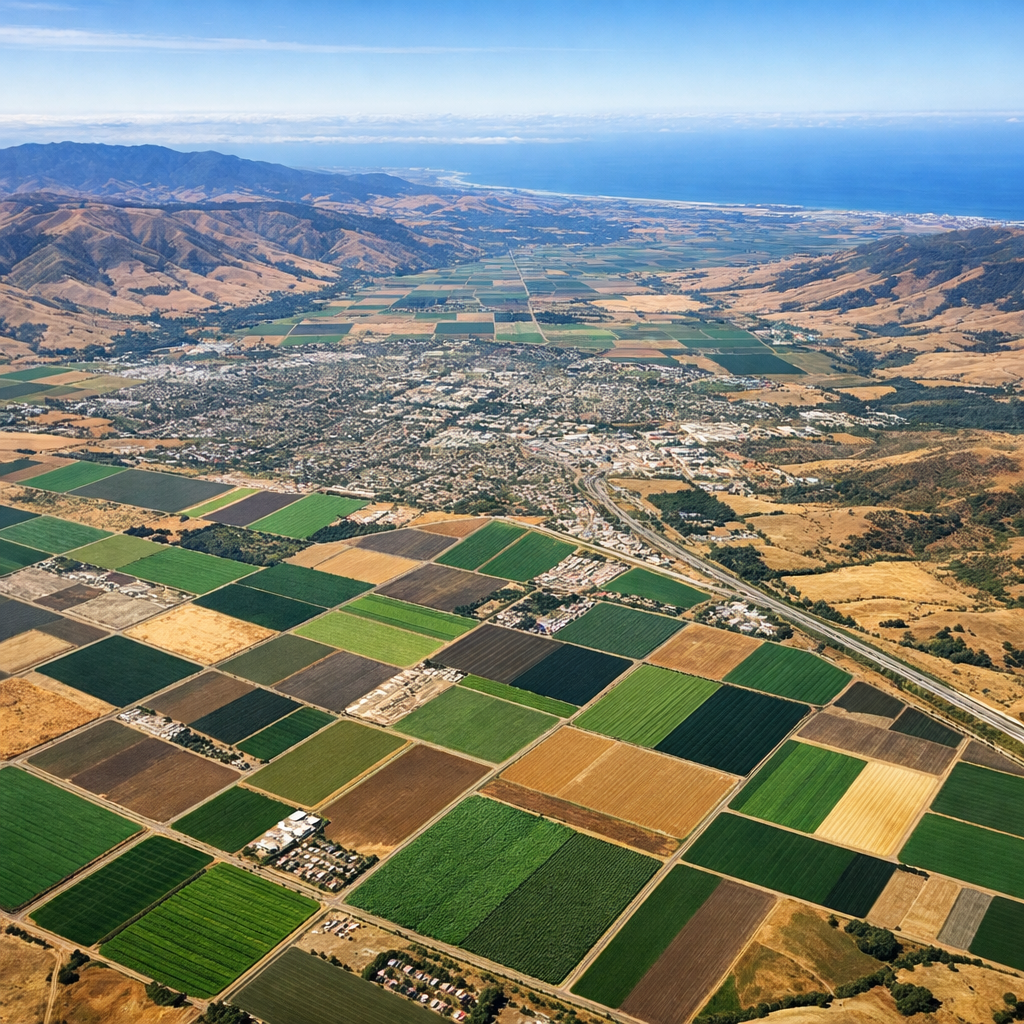
Santa Maria, nestled on California’s Central Coast, is renowned for its temperate climate and agricultural richness. However, the community is increasingly confronting the realities of climate change, prompting both challenges and proactive responses.
Climate Change Impacts
Recent assessments indicate that Santa Maria faces heightened risks from wildfires, flooding, and drought. Approximately 79% of buildings are at risk of wildfire, and 42% are susceptible to flooding. These risks are projected to intensify by 2050, with an increase in extreme heat days and altered precipitation patterns.
Agricultural Adaptations
The local agricultural sector, particularly strawberry farming, has felt the brunt of these climatic shifts. Severe storms in 2023 led to over $56 million in crop losses in Santa Barbara County. Farmers are now implementing strategies such as improved drainage systems and soil management practices to mitigate future losses.
Water Conservation Efforts
In response to water scarcity concerns, the City of Santa Maria has intensified its water conservation initiatives. Residents are encouraged to adopt drought-tolerant landscaping and efficient irrigation methods. The city offers resources and guidelines to support these efforts, aiming to reduce overall water consumption.
Environmental Restoration Projects
Local organizations are actively engaged in environmental restoration. For instance, Creek Lands Conservation is working on the Santa Maria River Healthy Watershed Initiative, focusing on habitat restoration and water quality improvement. These projects aim to bolster the region’s resilience against climate-induced challenges.
Community Involvement
Community engagement is pivotal in addressing environmental issues. Residents are encouraged to participate in local conservation programs, attend city council meetings, and stay informed about ongoing projects. Collective action can significantly enhance the community’s ability to adapt to and mitigate climate change impacts.
As Santa Maria navigates these environmental challenges, the collaborative efforts of residents, farmers, and local organizations are crucial in fostering a sustainable and resilient community.