

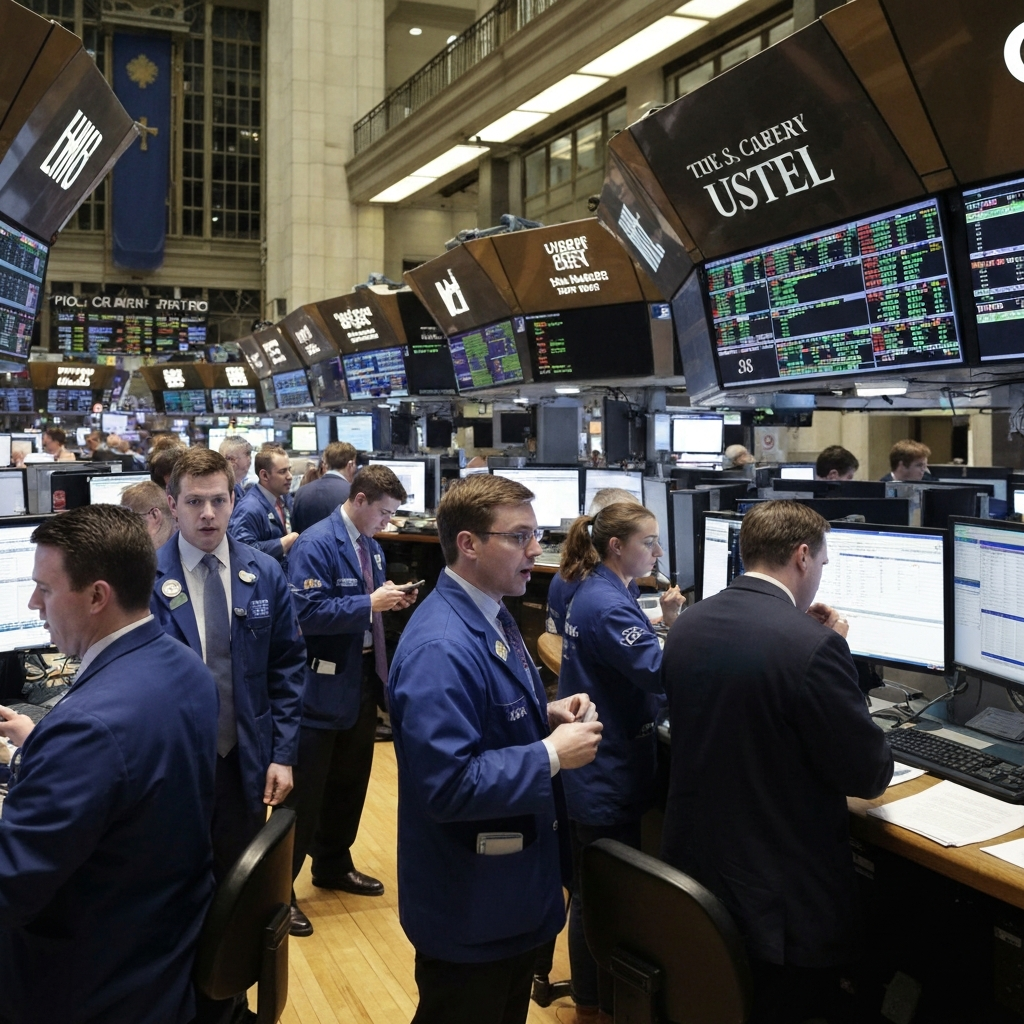
The United States economy has recently exhibited a mix of growth and challenges, reflecting the complexities of the current economic environment.
GDP Growth
In the first quarter of 2026, the U.S. economy expanded at a 2% annualized rate. This growth was notably bolstered by advancements in artificial intelligence technologies, which have significantly contributed to various sectors. However, the ongoing conflict with Iran has introduced inflationary pressures, casting a shadow over these gains. [Source: Axios]
Inflation and Energy Prices
The conflict has led to a surge in energy prices, with Brent crude oil surpassing $126 per barrel. Consequently, U.S. gasoline prices have risen to an average of $4.30 per gallon. These increases are contributing to broader inflationary trends, affecting consumer purchasing power and overall economic stability. [Source: CBS News]
Employment Trends
While the economy continues to grow, the labor market has shown signs of strain. Recent reports indicate a slowdown in job creation, with manufacturing sectors experiencing job losses. This trend raises concerns about the sustainability of economic growth and the need for policies that support employment across various industries. [Source: Los Angeles Times]
Understanding these economic indicators is crucial for both policymakers and citizens as they navigate the evolving financial landscape.